
How Bench Warrants Work in Moore County
A bench warrant is court process that may follow a missed appearance, contempt finding, failure to report, bond-condition breach, or another order problem. The issuing court controls the case and decides whether to recall or reset the process. Moore County did not publish a single online bench-warrant list.
Do not assume that every unpaid amount creates the same order. A traffic matter, felony case, juvenile file, and civil attachment can follow different rules. Ask the clerk which court issued the warrant and what event led to it.
Moore County General Sessions Handles Many Bench Matters
Moore County General Sessions handles limited-jurisdiction criminal, traffic, preliminary, and civil work. The Circuit Court Clerk is the published contact for General Sessions case questions at 931-759-7208. Circuit Court handles felony criminal matters and indictment files. There is no Texas-style Justice of the Peace court system in Moore County.
The AOC describes how Tennessee's General Sessions courts vary by county. The rules index links Criminal Rules 3, 4, 9, and 42, which cover warrant and contempt procedures at the state level. It does not list a Moore-specific recall fee or docket.
The AOC rules index provides the statewide procedure index. It is not a local warrant register.
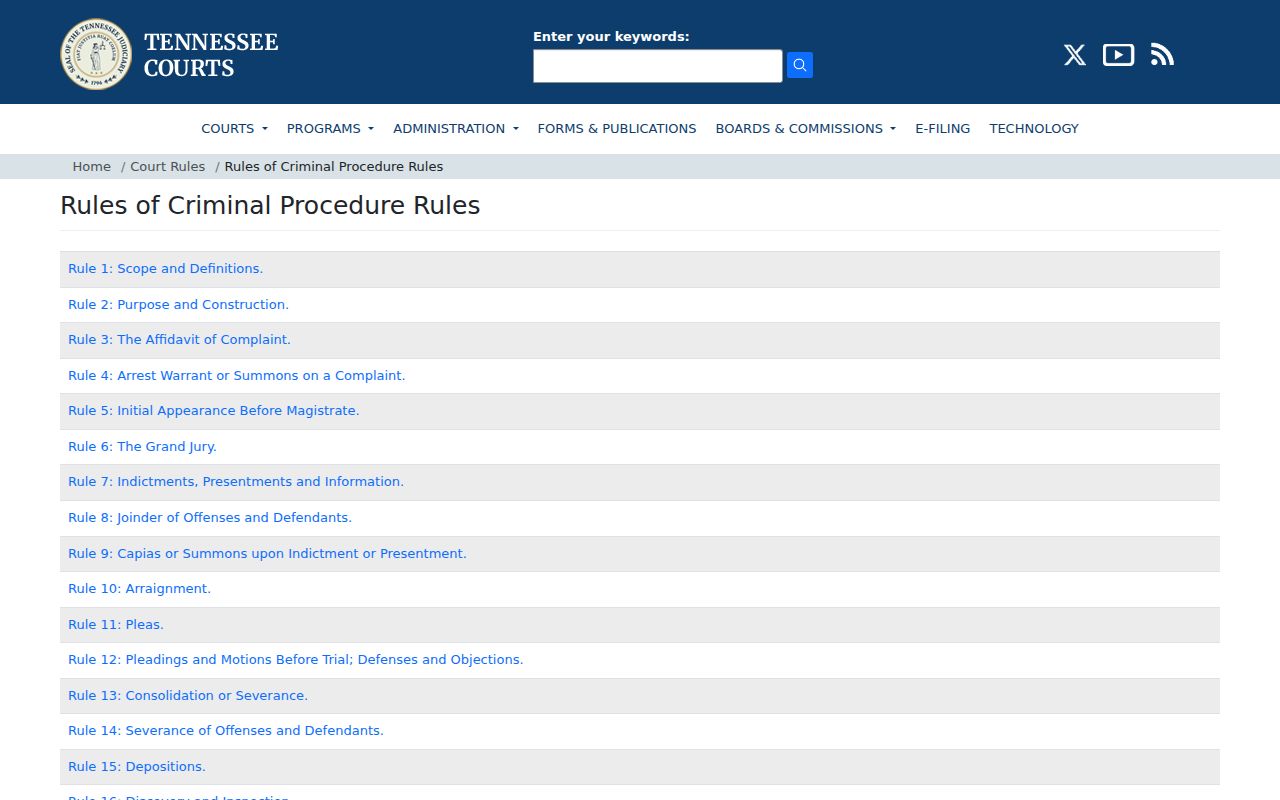
Use the index to locate a rule, then ask the issuing court how it applies to the case.
Bench Warrant Issuance in Moore County
After a missed setting or other court-order event, the judge may direct that a warrant or capias issue. The officer return later records execution or a failed attempt to locate the person. Moore's sources do not show a public entry system, update schedule, or automatic statewide search that a resident can use to verify the order.
The statewide AOC capias/bench model includes the court and county, case number, defendant, charge, bond amount, initial appearance date, issuing clerk, and officer return. It shows document fields only. No Moore number prefix or status-code list was located.
AOC Capias Returns and Rule 34 Access
The Tennessee AOC model is titled CAPIAS / BENCH WARRANT. Its return area records whether the order was executed or the person was not found. A not-found return is not a recall, quash, or clearance. Ask the Circuit Court Clerk for the filed order and the sheriff for current service status.
The official blank form shows a bond amount and initial-appearance date field. It is a statewide model, not a Moore County bond schedule or surrender instruction.
Tennessee Supreme Court Rule 34 explains public access and limits for filed court records.
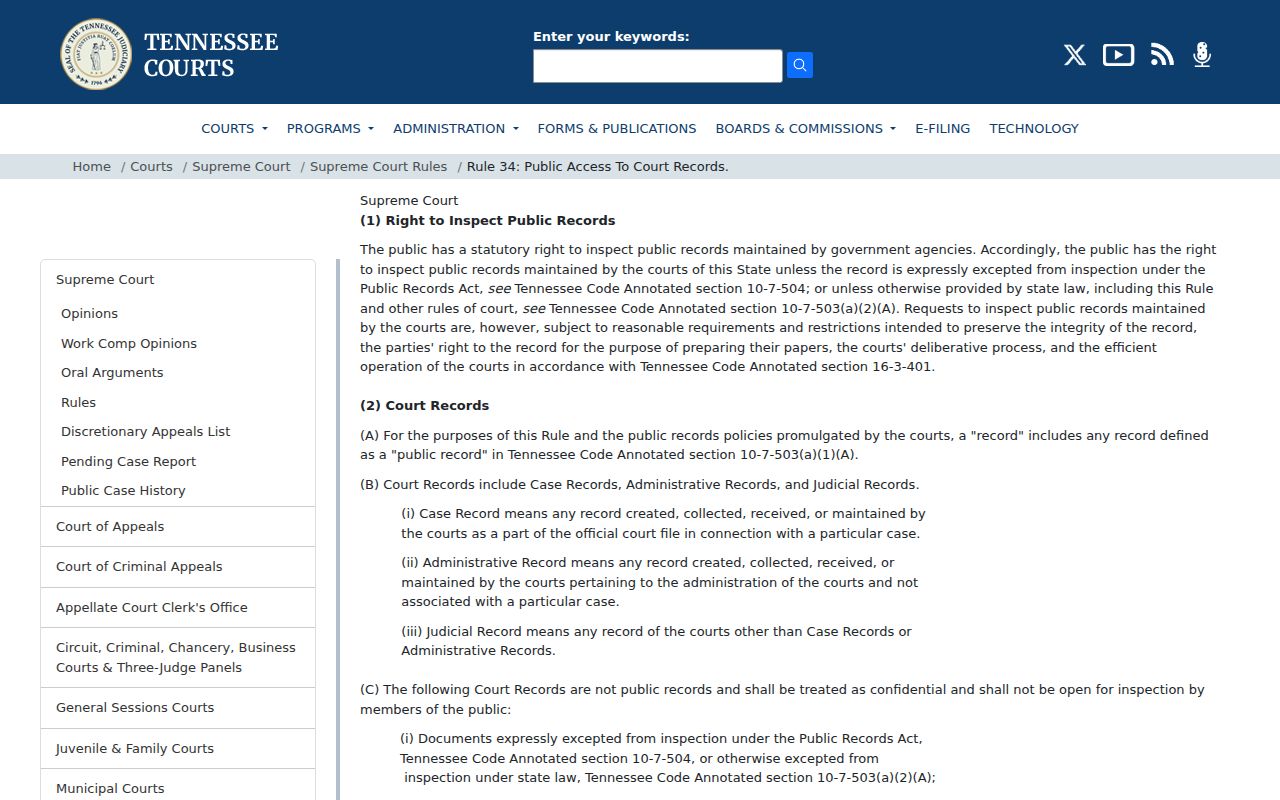
Sealed or protected files may not be available in the same way as an ordinary public court record.
How Bench and Arrest Warrants Differ
A bench warrant responds to a court-compliance problem, often within an existing case. An arrest warrant follows a sworn complaint and a probable-cause finding about an offense. Both can authorize an officer to take a person into custody, but they arise from different steps and may be held by different court files.
| Feature | Bench Warrant | Arrest Warrant |
|---|---|---|
| Trigger | Missed setting, contempt, or court-order issue | Probable cause tied to a complaint |
| Who issues it | Judge handling the case | Magistrate or authorized clerk |
| Underlying file | Existing court matter | Criminal complaint or charge |
| Next step | Ask about recall, reset, or appearance | Confirm the order, counsel, and bond route |
A Missed Moore Setting Needs Court Confirmation
If you missed a Moore County court date, call the clerk before traveling. Give the court name, case number, and date, then ask whether a bench warrant or capias issued, whether a new setting is possible, and whether the judge requires a motion or appearance. A relative should not guess that a payment or apology has changed the order.
Next, call the sheriff to ask whether service is assigned and where surrender questions go. Keep any notice and the clerk's instructions. If you think you may be taken into custody, ask a lawyer to review the file and discuss a planned surrender.
Clearing a Bench Warrant in Moore County
Start by confirming the issuing court, warrant type, and current status with the Circuit Court Clerk and sheriff. Moore-specific forms, filing fees, surrender hours, and a warrant walk-in docket were not located. Ask what motion or order applies rather than assuming that paying a fine alone recalls the process.
- Ask the clerk for the case number, issuing court, next date, and any bond or order.
- Talk with counsel about a motion to recall, quash, reset, or reinstate the case.
- Call the sheriff to confirm service status and where a voluntary surrender is accepted.
- After court action, keep the written order or receipt and ask when service status will update.
Caution: Do not assume the warrant has expired or that a phone call cleared it; confirm the court's order and the sheriff's service record.
Moore County Does Not Publish a Recall Window
No local recall counter, walk-in calendar, remote appearance rule, or motion fee was found in official sources. The courthouse is at 196 Main Street in Lynchburg, and the sheriff's office is at 58 South Elm Street South, but neither address establishes public intake hours. Call before visiting and ask for the right division.
Statewide Tennessee bond law allows different release types, including cash, surety, and recognizance. A Moore bond amount and payment method are case-specific and were not published. Do not pay a caller or use an unverified link.
Moore County Courts That Issue Bench Warrants
General Sessions is the likely route for many misdemeanor, traffic, and preliminary matters. Circuit Court handles felony criminal files and indictments. Juvenile matters use the General Sessions/Juvenile structure but have strict confidentiality rules. Civil contempt or attachment matters may belong with Chancery or another court.
Lynchburg municipal court is consolidated with General Sessions as an additional division under Article 11 of the Metro Moore charter. There is no separate city warrant portal in the official sources reviewed. For the county-wide office map and sheriff contact, return to Moore County warrant records.
Moore County Uses Capias, Not Capias Pro Fine
Tennessee Rule 9 calls the process “Capias or Summons upon Indictment or Presentment,” and the AOC model is titled CAPIAS / BENCH WARRANT. “Capias pro fine” is common in some other states, but the research did not find it as the standard Moore or Tennessee term.
Use the wording on the actual court document and ask the clerk what the order requires. A capias may follow an indictment, missed appearance, or bond problem, while a traffic citation can also create a separate TDOSHS satisfaction issue.