
How Arrest Warrants Work in Moore County
Every Moore County warrant starts with a sworn complaint laying out facts about an alleged offense. A magistrate or an authorized clerk then weighs probable cause. If it holds up, that official can issue an arrest warrant, or a summons in narrower situations. The order tells any lawful officer to take the named person into custody and bring them before the court. There is no public live-warrant search for Moore County, so the Circuit Court Clerk is the office that can identify the case file. The sheriff, in turn, answers service and custody questions. Confirm which agency holds a given order rather than assuming it lands with the county by default. That one question saves a wasted trip.
Moore County Arrest Warrants Begin With an Affidavit
Tennessee Rules of Criminal Procedure 3 and 4 control the complaint, the probable-cause review, and the choice between warrant and summons. The affidavit itself records the alleged facts. The issuing official then decides whether those facts support probable cause. Under Rule 9, an indictment or presentment can also move through a capias process, which differs from the complaint route. The Tennessee AOC affidavit-of-complaint form shows how a sworn statement is structured, and it does so without exposing any named case from Moore County.
Treat the form as a map of the document. Then ask the Moore County court for the filed record in a specific case.
Arrest Warrants: What They Contain
The AOC model lists the fields a warrant commonly carries. Moore County publishes no local number format, no public result layout, and no status-code table. So the inventory here describes the statewide form, not a local database output.
| Case identifier | Moore format not published; the state model includes a case number and State Control Number. |
|---|---|
| Named person | Name and descriptors may appear; protected details can be redacted. |
| Charge / offense | Offense statute and probable-cause statement attached to the complaint. |
| Issuing official | Judge, magistrate, clerk, or judicial commissioner as shown on the form. |
| Bond / conditions | Amount and release conditions; no Moore schedule was located. |
| Officer return | Records service, execution, or an unsuccessful attempt. |
Moore County Warrant Fields Do Not Prove Current Status
A warrant can show the charge, the issuing official, any bond, and the service return. A return marked not found only means an officer did not locate the person; it does not mean the court recalled the process. Ask the clerk whether a later order changed the warrant, and ask the sheriff whether its service record reflects that action. Sealed indictment material may stay closed until an arrest or another court action opens it. If a clerk cannot release a record, request the legal basis and have counsel review the file. A public search result can neither clear a Moore County warrant nor settle anything about it. Only the issuing court can confirm, recall, or quash the order.
How Warrants Get Served in Moore County
Tennessee's form directs process to any lawful officer. The Moore County Sheriff's Department is the documented local contact for service and status, though it posts no warrant-unit page or service roster. A city or state officer can hold a role in a given case, so ask which agency actually has the order instead of leaning on a general county assumption. The path usually runs this way: issuance, transfer to an officer, a service attempt, an arrest or a return, and an appearance before the court. Booking, bond, and timing all depend on the order and local practice. Moore County publishes no dedicated surrender entrance, intake hour, or walk-in procedure. The sheriff's office is the place to ask before you show up anywhere.
Federal Arrest Warrants Follow the Eastern District
Moore County sits in the Eastern District of Tennessee's Winchester Division. A federal warrant belongs to the federal court and the U.S. Marshals Service, not to the Moore County sheriff's public-contact route. The Winchester federal courthouse sits at 200 South Jefferson Street, and its published court number is 423-752-5200. Treat that as a court contact, not a federal warrant hotline. The official Winchester Division page gives the court's location and access information. The court's building page identifies the jurisdiction. It does not offer any Moore County warrant search.
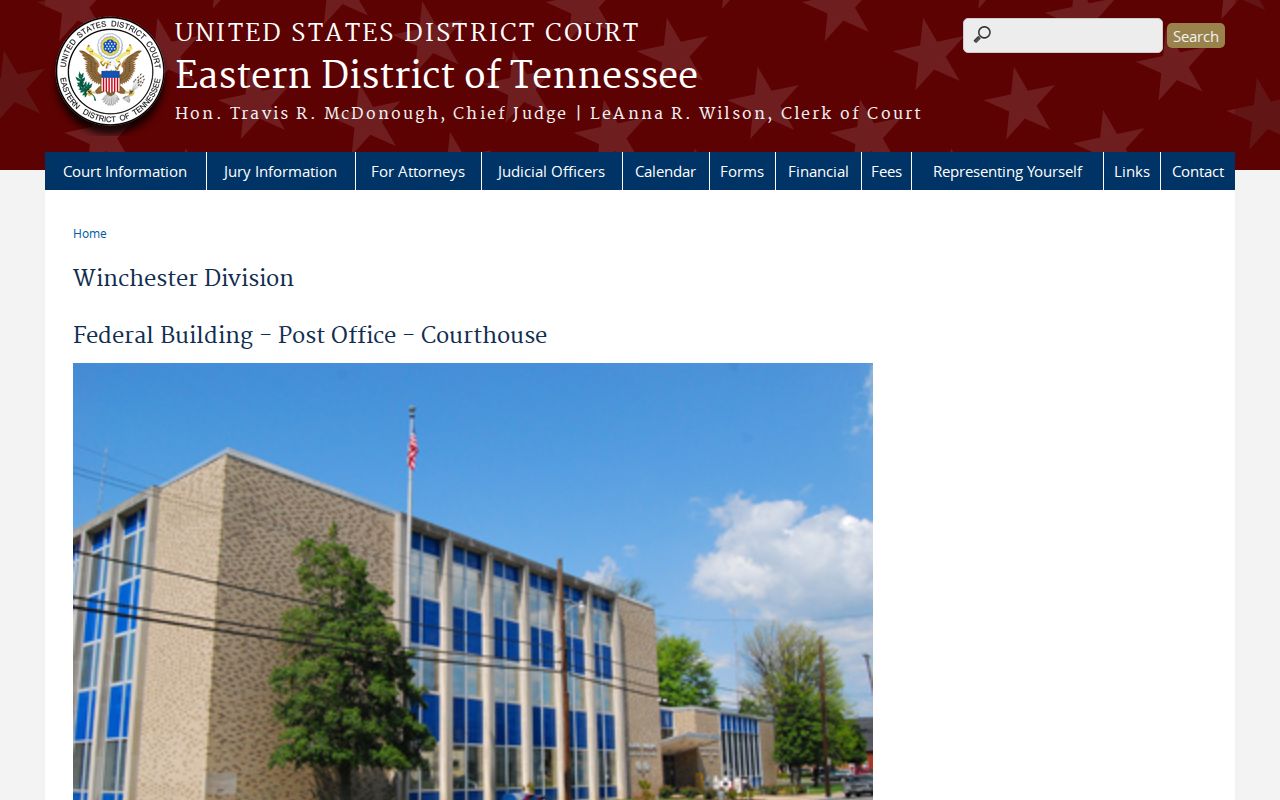
Use the federal court source only for federal case routing.
Arrest Warrants, Summonses, and Bench Warrants
An arrest warrant authorizes custody on probable cause. A summons tells a person to appear, without an immediate arrest order attached. A bench warrant follows a compliance failure, like a missed court setting. Before deciding how to respond, ask the Moore County court which order is actually on file.
| Feature | Arrest Warrant | Summons | Bench Warrant |
|---|---|---|---|
| What it orders | Arrest and appearance in court | Appear on the date stated | Custody after a court-order problem |
| Basis | Probable cause on a complaint | Case-specific court or statutory choice | Missed date, contempt, or noncompliance |
| Who issues it | Magistrate or authorized clerk | Issuing court | Judge handling the existing case |
| How to respond | Confirm status, counsel, and bond | Attend as directed | Ask about recall, reset, or appearance |
Moore Federal Dockets Have Limited Online Coverage
PACER opens the federal docket, but a name search will not guarantee that every sealed warrant appears. The official service charges by page, with a document cap for most documents and a fee-waiver threshold tied to quarterly use. A contributed RECAP copy can be free through CourtListener, though it is no authoritative live-warrant system. The PACER fee page explains the access charges. The federal docket image shows the official access system. It is not a source of Moore County court records.
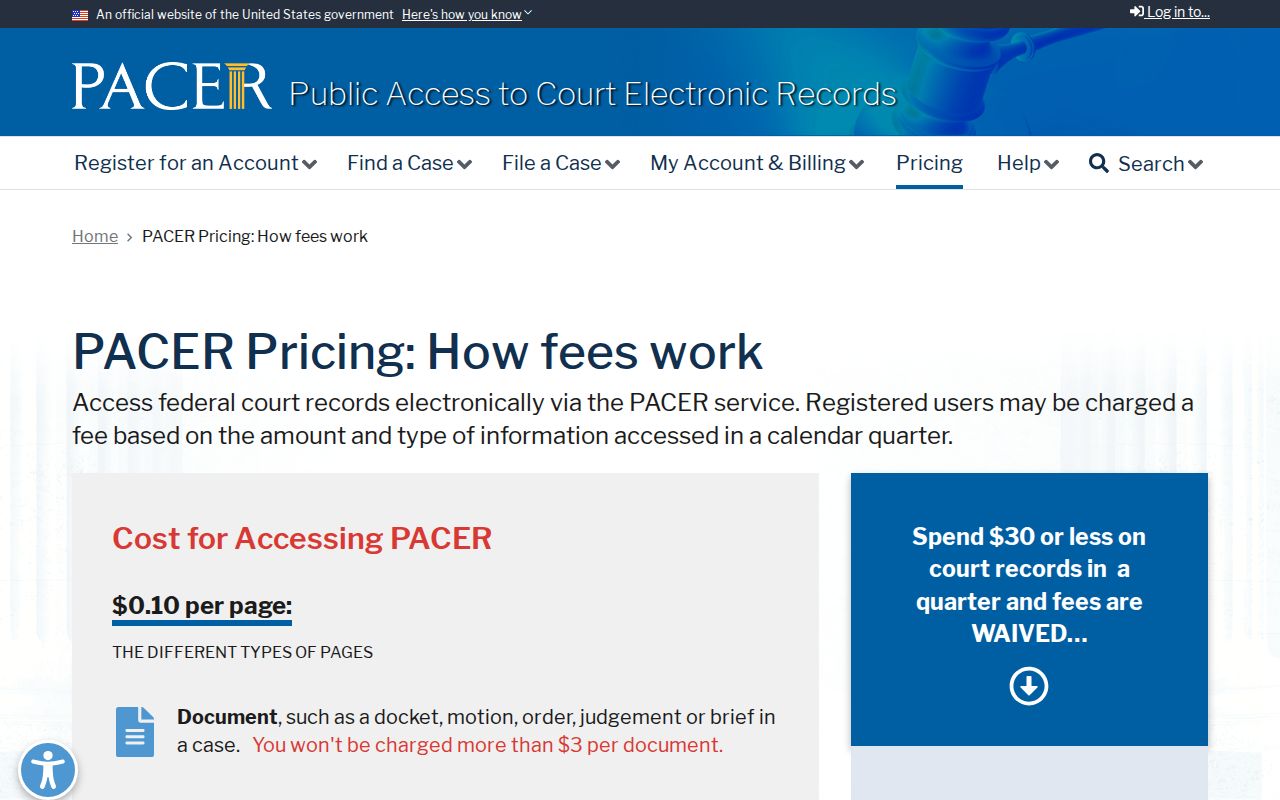
For a state or local order, contact the Tennessee court and sheriff instead.
Handling an Arrest Warrant in Your Name
Call the Circuit Court Clerk first to identify the case, then call the sheriff to confirm service or surrender instructions. Ask the court whether bond is set, whether the record is sealed, and whether a motion to recall or quash is on the table. Moore County posts no local bond schedule, payment site, or walk-in rule. A lawyer can review the affidavit, the warrant, the bond terms, and a possible surrender plan. Posting bond usually secures an appearance; it does not dismiss the charge. After any court action, keep the written order or release and ask when the sheriff's service record will update. For the local office route, the home page's Moore County resolution steps lay it out. Only the issuing Moore County court can close the warrant itself.
Important: Speak with an attorney before appearing; confirm the court, service agency, surrender location, and bond terms through official channels.
Moore County Publishes No Warrant Unit Details
Moore County publishes little on how it staffs warrant work. The sheriff's department appears in the official directory, but no separate warrant unit page, service assignment list, 24-hour line, booking entrance, or walk-in hours. Call the sheriff's published number before you drive anywhere. Ask directly where a warrant question or a surrender should be handled. The Circuit Court Clerk can pull up the filed order and tell you the issuing court. Questions about service belong with the sheriff or the agency named on the warrant. For qualifying warrants issued after July 1, 2024, state law puts the issuing agency's contact information right on the document.